Sewer and Plumbing Inspection Plano Texas
Written by Steven Shipler, Texas Licensed Master Plumber, Responsible Master Plumber (RMP), MBA, and host of The 4 Guys Education on YouTube.
A sewer and plumbing inspection in Plano, Texas can reveal hidden problems that a standard home inspection may not fully uncover. The home may look beautiful. The fixtures may turn on. The toilets may flush. The sinks may drain. But underground, the sewer line may be holding water, affected by roots, damaged by soil movement, deteriorating from age, or showing defects that can turn into expensive repairs after closing.
Plano has a wide mix of homes. Some neighborhoods have newer PVC sewer systems. Other areas have older drain lines, mature trees, cast iron plumbing, clay sewer pipe, prior foundation movement, long sewer runs, and underground plumbing systems that deserve closer inspection before a buyer takes ownership.
That is why a complete sewer and plumbing inspection matters. A visual plumbing check inside the home is helpful, but the underground sewer line needs its own camera inspection. What is below the slab, yard, driveway, and landscaping can create some of the most expensive surprises in a real estate transaction.
Need a Sewer and Plumbing Inspection in Plano, Texas?
Get video evidence before you buy, negotiate, repair, or close on a home.
Call Now: 972-333-5448 Schedule OnlineKnow What’s Underground, Before You Buy.
Why Plano Home Buyers Need More Than a Standard Home Inspection
A standard home inspection is important, but it is not the same thing as a sewer camera inspection or a detailed plumbing inspection performed by a licensed plumbing professional. Home inspectors usually check visible plumbing components. They may run water, check fixtures, look under sinks, inspect the water heater, and report visible leaks.
But the sewer line is not visible. The most expensive plumbing defects are often below the slab, under the yard, under the driveway, or between the home and the city sewer tap. Without a sewer camera, everyone is guessing.
A sewer and plumbing inspection gives the buyer more information before closing. It can help identify hidden defects, document the condition of the line, support repair negotiations, and prevent a buyer from inheriting an expensive underground plumbing problem.
The plumbing above ground tells part of the story. The sewer camera tells the underground story. In Plano, both matter before buying a home.
What a Sewer and Plumbing Inspection Includes
A sewer and plumbing inspection is designed to evaluate the visible plumbing system and the hidden underground sewer line. The exact scope depends on the home, access, cleanouts, water heater setup, fixtures, drain behavior, age of the property, and whether the home has had prior foundation or plumbing repairs.
A professional inspection may include:
- Sewer camera inspection of the accessible sewer line
- Inspection for standing water, roots, bellies, offsets, and pipe separations
- Review of visible drain, waste, and vent plumbing conditions
- Water heater inspection
- Visible leak checks under sinks and around fixtures
- Toilet inspection for loose bases, flange concerns, leaks, and flushing issues
- Drain flow observations
- Water supply system observations where accessible
- Cleanout location and accessibility review
- Pipe material identification when visible or visible on camera
- Documentation of visible concerns for buyer review
The goal is not to scare the buyer. The goal is to show the truth before the buyer closes on the home.
Plano Soil Movement and Underground Plumbing Problems
Plano sits in North Texas clay soil. That soil expands when wet and shrinks during dry periods. This movement can affect foundations and underground plumbing systems at the same time.
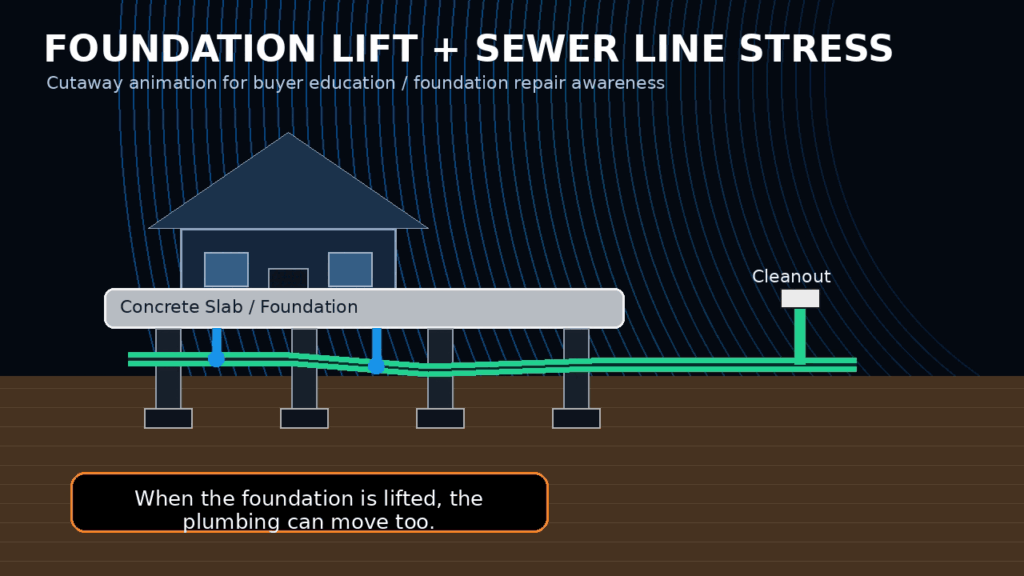
Sewer pipe works by gravity. It needs consistent slope so wastewater can move away from the home. When soil shifts, settles, or pulls away from the pipe, the sewer line can lose slope, crack, separate, or develop low areas where water stands.
If a Plano home has had foundation repair, pier work, slab movement, or visible settlement, the sewer line should be inspected. Foundation movement does not automatically mean the sewer line is damaged, but it is a strong reason to look underground before closing.
If the slab has moved, the sewer line may have moved too. Camera inspect the sewer line before assuming the underground plumbing is fine.
What Is a Sewer Belly in a Sewer Line?
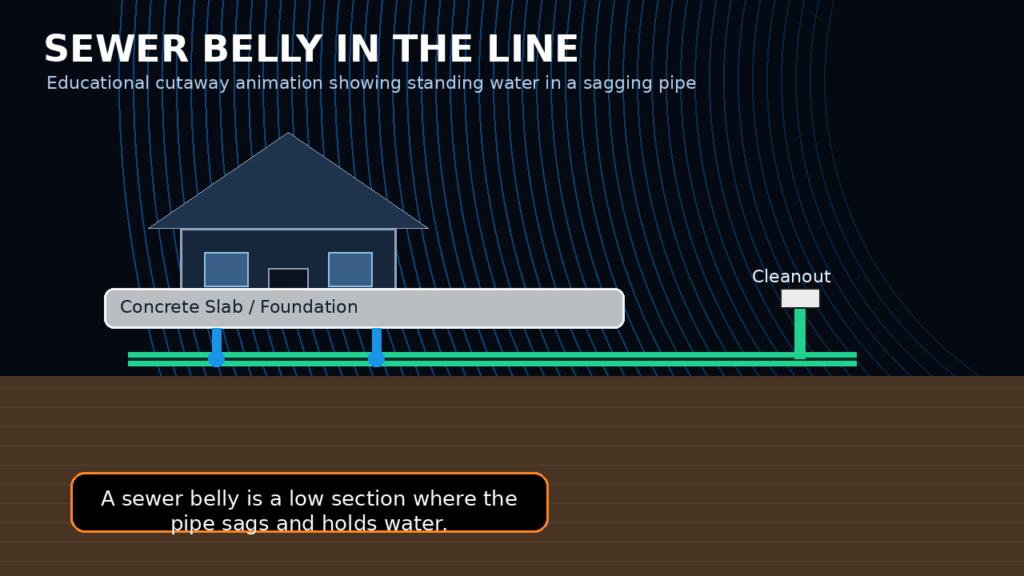
A sewer belly is a low section in the sewer pipe where the pipe sags and holds water. Instead of wastewater flowing smoothly toward the city sewer main, water sits in the low area. Over time, waste, grease, paper, and debris can collect in that section and create recurring backups.
Sewer bellies are common in areas with soil movement, poor installation, settlement, or foundation movement. In Plano, expansive clay soil can contribute to pipe movement and slope problems. A sewer belly may not cause an immediate backup, but it is a warning sign because the line is no longer draining with proper gravity flow.
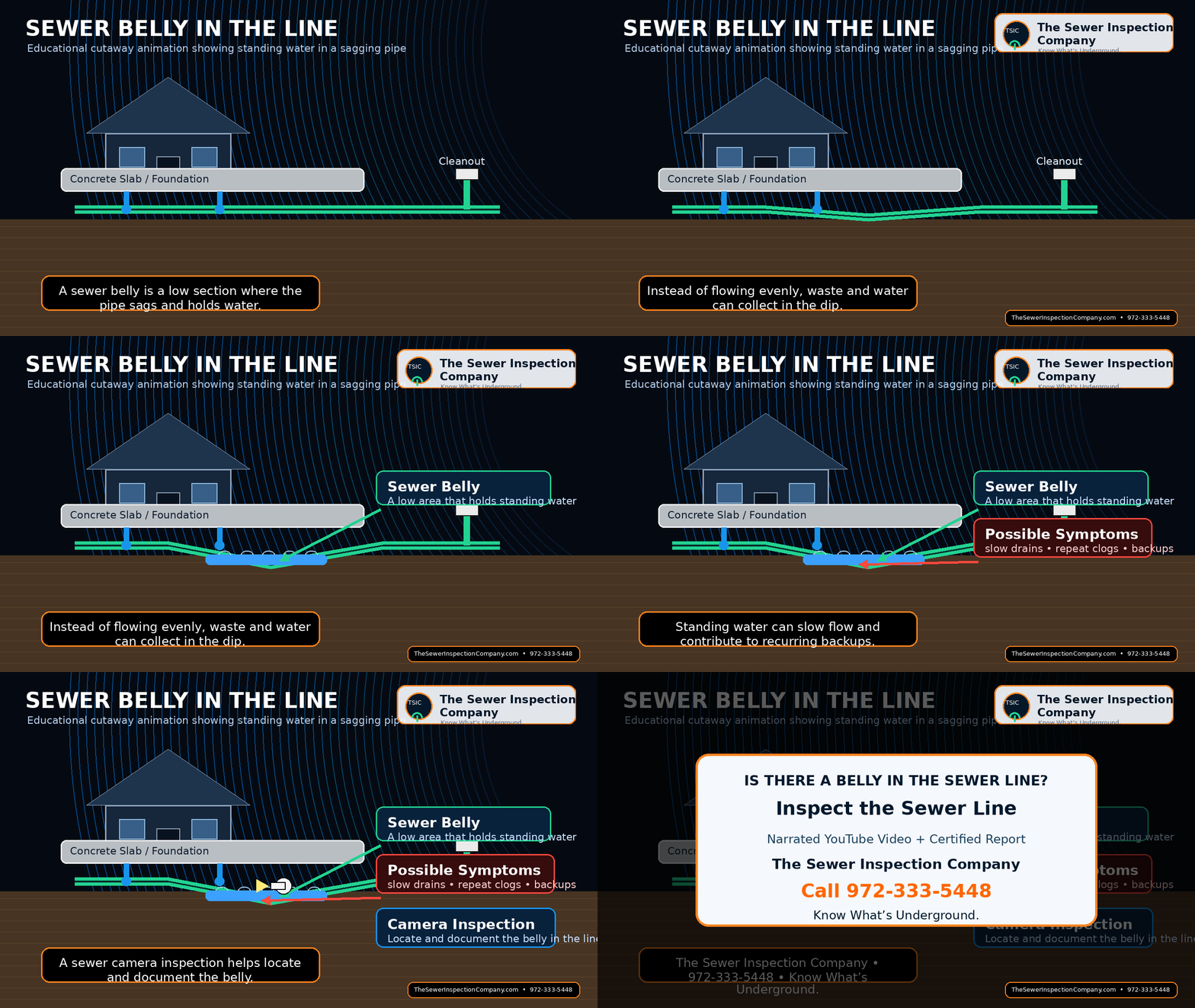
During a sewer camera inspection, a belly is usually seen when the camera travels through standing water or when the pipe appears to dip and hold water. The camera video helps document where the belly begins, how long it appears to be, and whether debris is collecting in the low section.
A small belly may be monitored if it is not causing backups. A severe belly that holds water, collects debris, or causes repeat stoppages may require repair, replacement, rerouting, tunneling, or excavation depending on the location and depth.
A sewer belly is not just “water in the pipe.” It can be a drainage defect that causes waste to settle, builds up debris, and creates recurring sewer backups.
Cast Iron Plumbing Lines in Older Plano Homes
Older Plano homes may have cast iron drain and sewer lines. Cast iron was a common plumbing material for many years, especially before PVC became the standard for residential drainage systems. It was strong, heavy, and widely used, but it does not last forever.
Cast iron plumbing lines can deteriorate from the inside out. Over time, wastewater, soap, grease, cleaning products, and organic material can wear down the pipe. The interior surface can become rough and scaly. The bottom of the pipe can rot out. Cracks can form. Sections can separate. Waste can begin catching on the rough pipe walls.
A home with older cast iron plumbing may still drain most of the time while the pipe is actively failing under the slab. That is why a sewer camera inspection is so important. It can show cast iron scaling, bottom rot, cracks, standing water, offsets, separations, and other visible signs of deterioration.
If you are buying an older home in Plano, the plumbing inspection should include a serious conversation about pipe material. A beautiful remodel above ground does not prove the cast iron plumbing below the slab is in good condition.
What the Sewer Camera May Find
A sewer camera inspection in Plano may reveal:
- Standing water inside the sewer line
- Sewer line bellies
- Poor pipe slope
- Offset pipe joints
- Pipe separations
- Broken sewer pipe
- Collapsed sewer line sections
- Root intrusion
- Cast iron scaling or bottom rot
- Clay pipe separation
- Orangeburg pipe in older homes
- Improper previous repairs
- Grease, sludge, or debris buildup
- Problems below the slab, driveway, or yard
If the camera shows standing water, roots, cast iron deterioration, a sewer belly, or a structural defect, the next step is usually to locate the line, evaluate the depth, confirm the repair path, and decide whether cleaning, spot repair, partial replacement, reroute, tunneling, or full replacement is the correct solution.
Watch the Video Inspection
Watch the Video Inspection Below.
These sewer inspection videos show why Plano buyers, sellers, agents, and homeowners should look underground before making a major decision. Each video gives clear visual evidence of what a sewer camera inspection can reveal before approving repairs, negotiating with a seller, or closing on a home.
Sewer Inspection Video 1
Sewer Inspection Video 2
Sewer Inspection Video 3
Sewer Inspection Video 4
Sewer Inspection Video 5
Sewer Inspection Video 6
Plumbing Inspection Areas That Matter Before Closing
A sewer camera inspection is one major part of the inspection, but the visible plumbing system also matters. In Plano homes, the plumbing inspection should look for problems that can affect safety, performance, maintenance, and future repair costs.
Important visible plumbing areas include:
- Water heater age, condition, venting, pan, drain line, and shutoff access
- Toilet stability, flushing performance, wax ring signs, and flange concerns
- Sink drains, traps, shutoffs, supply lines, and visible leaks
- Garbage disposal condition and kitchen drain performance
- Tub, shower, and bathroom drain performance
- Visible water supply pipe condition
- Exterior hose bibs and visible water leaks
- Cleanout access and sewer serviceability
- Signs of previous plumbing repairs
- Signs of moisture, staining, corrosion, or active leakage
These items may not be as dramatic as a collapsed sewer line, but they still matter. A buyer should know what is working, what is aging, and what may need attention after closing.
Sewer Inspection vs. Plumbing Inspection
A plumbing inspection and a sewer inspection are related, but they are not the same.
The plumbing inspection looks at visible fixtures, water heater, accessible pipes, shutoffs, drains, and general plumbing performance. The sewer inspection uses a camera to inspect the underground sewer line.
| Inspection Type | What It Checks | Why It Matters |
|---|---|---|
| Plumbing Inspection | Visible fixtures, water heater, shutoffs, drains, traps, supply lines, and leaks. | Helps identify visible plumbing issues before closing. |
| Sewer Camera Inspection | Inside of the underground sewer line using video camera equipment. | Helps find hidden defects that can cost thousands to repair. |
| Combined Sewer and Plumbing Inspection | Visible plumbing plus underground sewer camera evidence. | Gives buyers a better picture of the entire plumbing system. |
Why Plano Home Buyers Can Use the Inspection to Negotiate
When a sewer and plumbing inspection reveals problems, the buyer has information that can be used during the option period. Video evidence is powerful because it shows what is actually happening underground.
Depending on the findings, the buyer may ask the seller for repairs, a price reduction, a closing credit, further evaluation, or additional documentation. The right negotiation strategy depends on the market, the contract, the defect, and the estimated repair cost.
The worst time to find a major sewer problem is after closing. At that point, the seller is gone, the option period is over, and the repair becomes the buyer’s responsibility.
Schedule a Sewer and Plumbing Inspection in Plano, Texas
If you are buying a home, had foundation repair, have repeat drain backups, or suspect an under-slab sewer issue, do not guess.
Get the sewer line inspected, recorded, located, and explained.
Call Now: 972-333-5448 Schedule OnlineKnow What’s Underground, Before You Buy.
Tools and Equipment Used for Sewer Camera Inspection
A good sewer inspection depends on the right tools and the experience to interpret what the camera shows.
- RIDGID SeeSnake Sewer Camera: Used to inspect and record the inside of the sewer line.
- RIDGID Locator: Used to help locate the sewer camera head and approximate the underground problem area.
- Line Transmitter and Locating Equipment: Used to support sewer path tracing and repair planning.
Schedule Online
Pick your sewer and plumbing inspection time below. Use the online scheduling link or the Calendly calendar to book your inspection in Plano, Texas.
Helpful Internal Links
- The Ultimate Guide to Sewer Inspections Before Buying a Home
- What Can a Sewer Camera Inspection Find?
- Sewer Inspection Checklist for Home Buyers
- Real Home Buyer Success Stories
- Testimonials
- Contact Us
FAQs
Do I need a sewer and plumbing inspection before buying a home in Plano?
Yes. A sewer and plumbing inspection can reveal visible plumbing concerns and hidden underground sewer line defects before closing.
What is a sewer belly?
A sewer belly is a low section of pipe that sags and holds water. It can collect debris, grease, paper, and waste, which may lead to recurring sewer backups.
What can a sewer camera inspection find?
A sewer camera inspection can find root intrusion, standing water, sewer bellies, offset joints, pipe separations, broken pipe, collapsed pipe, cast iron deterioration, clay pipe separation, Orangeburg pipe, grease buildup, and improper slope.
Can Plano soil movement affect sewer lines?
Yes. North Texas clay soil can expand, shrink, and move underground plumbing. Soil movement and foundation movement can affect sewer line slope, pipe joints, and under-slab plumbing.
Do older Plano homes have cast iron plumbing?
Some older Plano homes may have cast iron drain and sewer lines, especially under the slab. A sewer camera inspection can help identify visible signs of cast iron scaling, cracks, bottom rot, and deterioration.
What should I ask for after a sewer inspection?
Ask for video evidence, pipe material, defect locations, approximate depth when located, repair recommendations, and a clear explanation of whether the issue is minor, moderate, or serious.
Plumbing Code Reference Topics
Sewer line inspection, replacement, and under-slab plumbing work should be evaluated with attention to sanitary drainage, cleanouts, pipe materials, slope, testing, local permits, and inspections. Always verify the adopted code and local requirements with the authority having jurisdiction.
| # | Code Topic | Why It Matters | Code |
|---|---|---|---|
| 1 | IPC General Plumbing Requirements | General plumbing standards, protection, testing, and inspection context. | Code |
| 2 | IPC Fixtures | Toilet, bathroom group, and fixture drainage context. | Code |
| 3 | IPC Sanitary Drainage | Primary topic for sewer, building drain, building sewer, and cleanout work. | Code |
| 4 | IPC Venting | Vent system context related to drainage performance and trap protection. | Code |
| 5 | IPC Traps and Interceptors | Trap, sewer gas, and plumbing protection context. | Code |
Outbound Citation Chart
These outbound references are included for general plumbing, sewer, permitting, safety, and inspection context. Always verify local requirements with the city or authority having jurisdiction.
| # | Reference | Why It Matters | Code |
|---|---|---|---|
| 1 | International Plumbing Code | Reference for sanitary drainage, testing, slope, and plumbing system requirements. | https://codes.iccsafe.org/content/IPC2021P2 |
| 2 | Uniform Plumbing Code | Reference for plumbing standards used in many jurisdictions. | https://www.iapmo.org/publications/read-uniform-codes-online |
| 3 | Texas State Board of Plumbing Examiners | Texas plumbing licensing and Responsible Master Plumber information. | https://tsbpe.texas.gov/ |
| 4 | City of Plano | Local city reference for municipal services, permits, and inspections. | https://www.plano.gov/ |
| 5 | City of Plano Building Inspections | Relevant for local inspection and building department information. | https://www.plano.gov/160/Building-Inspections |
| 6 | EPA Wastewater Information | General wastewater and public health context. | https://www.epa.gov/npdes/municipal-wastewater |
| 7 | OSHA Trenching and Excavation Safety | Excavation and trench safety reference for sewer replacement work. | https://www.osha.gov/trenching-excavation |
| 8 | NASSCO | Industry reference for sewer inspection, assessment, and pipeline condition standards. | https://www.nassco.org/ |
| 9 | Texas Real Estate Commission | Real estate transaction context for buyers, sellers, option periods, and inspections. | https://www.trec.texas.gov/ |
| 10 | Collin Central Appraisal District | Useful for property age and public property record research in Collin County. | https://www.collincad.org/ |