
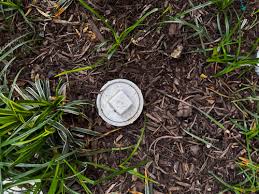
Practical answer: A sewer cleanout cap that will not open is an access problem, not evidence that the sewer is sound or damaged. Avoid forcing an old cap without an access plan. A qualified plumber can assess whether it can be opened safely, whether another cleanout is usable, or whether a different approved route is needed.
Why a cap can resist opening
Threads may be corroded, painted, packed with soil, or damaged. A cap may also be hidden under a cover or surface finish. Force can crack a brittle fitting or disturb a line already under strain. Before the appointment, tell the inspection team what access is visible and whether any cap has been difficult to remove.
Document the access before touching it
Photograph the cap, surrounding surface, nearby utilities, and any evidence of wastewater or pressure. Do not open a suspected pressurized or actively backing-up line yourself. The V-SCOPE camera requires a safe insertion point; the access choice also determines which direction and branches the camera can reach.
Check another cleanout and its direction
Some properties have two cleanouts serving different directions. A second cap may allow a downstream view while the blocked cap prevents an under-slab view, or vice versa. A camera record should identify exactly which opening was used. The footage counter begins at that opening, and the camera-head sonde with a surface receiver can help relate a visible feature to the yard.
When a toilet opening is considered
Removing a toilet is a separate plumbing step requiring permission, suitable handling, and restoration. It may offer a camera route, but a branch bend or junction can prevent the camera from reaching the main sewer. Do not treat a toilet route as automatic full-line coverage. Confirm scope, access responsibilities, and any additional charge before work.
What the report should say if access remains blocked
A Certified Master Plumber Report should identify the attempted access, why it could not be used, any segment inspected from another route, and the uninspected segment. A report should never imply a clean line beyond a cap the camera never passed. The next step can be safe access work followed by a scope.
Plan ahead for a home sale or repair decision
A seller in Allen can locate and expose the cleanout before the buyer’s deadline. A buyer in Plano can ask which sewer segments remain uninspected. A Richardson homeowner can coordinate access with a plumber before approving repair work. Steven Shipler can explain which footage is available and what remains unknown.
Local plumbing-code references
A sewer camera documents visible conditions; it does not certify code compliance or replace permits and inspections for repairs. The City of Plano’s official code page lists its locally adopted 2024 codes as effective August 1. City of Dallas Ordinance 32422 adopted the 2021 International Plumbing Code with Dallas amendments. These are separate local adoptions; neither automatically governs Allen, Frisco, Richardson, Garland, or another jurisdiction.
Related sewer-inspection resources
Seven field-video examples
These field videos illustrate camera access, narration, footage, locating, and stated limitations. Every property needs its own evidence.
Dallas–Fort Worth service area
Appointments are available across DFW, including Plano, Richardson, Allen, Frisco, Dallas, Garland, and nearby communities. Confirm scheduling and property access when booking.
Frequently asked questions
Should I use extra force on a seized cleanout cap?
Avoid that. A brittle fitting or old pipe can break. Ask a qualified plumber to assess safe access.
Does a stuck cap mean the sewer is blocked?
No. It describes the access fitting. The pipe interior still needs its own evaluation.
Can the camera enter from a second cleanout?
Often, if that opening is usable and its direction reaches the area of concern. It may cover a different segment.
Can the camera go through a removed toilet?
Sometimes. The branch layout, bends, and pipe size determine reach; toilet removal and resealing are separate work.
Can a surface locate find a buried cleanout?
A locate may help identify a pipe route, but the exact access point and safe excavation still require site-specific verification.
What if wastewater is present at the cap?
Treat active backup or pressure as an access and sanitation concern. Arrange professional assessment before opening.
Will a partial inspection still be useful?
Yes, if the video and report clearly name what was inspected and what remained inaccessible.
Who should repair a damaged cleanout?
A qualified plumbing professional should assess the fitting and local permit requirements before replacement or repair.
Is a sewer scope inspection really necessary?
It is especially useful before a purchase, renovation, or repair decision and when sewer history is uncertain. It documents the visible interior of accessible piping on the inspection date; it is not a guarantee against every hidden defect.
How long does a sewer scope inspection take?
The site reserves a 90-minute appointment. Actual time depends on access, pipe length, bends, deposits, flow, and findings. Confirm any tight closing deadline when scheduling.
Will I receive a video of the inspection?
Yes. The standard V-SCOPE service includes narrated video. The report identifies the access, direction of travel, visible conditions, and any segment that the camera could not inspect.
Can a sewer scope detect all problems?
No. Water, deposits, sharp turns, inaccessible branches, and a blocked passage can hide sections. A camera also cannot see soil or the outside of the pipe.
What happens if problems are found?
Steven Shipler documents the observation and its limitations. Where conditions allow, the camera-head sonde and surface receiver estimate a location and depth for repair planning. Discuss any proposed repair with the appropriate professional.
Is this service included in a standard home inspection?
Usually a general home inspection does not include a specialized camera scope of the sewer. Confirm the written scope of each inspection before booking.
How much can sewer repairs cost?
Costs vary by location, depth, access, material, length, damage, permits, and restoration. The sewer inspection starts at $239; it is not a repair estimate. Obtain a property-specific quote after the finding is documented.
Book a documented V-SCOPE sewer inspection
Led by Steven Shipler, Texas Master Plumber #45825, sewer inspections start at $239 and include a narrated video and a Certified Master Plumber Report. Locate and depth information is provided when conditions allow. Call 972-333-5448 or choose a time below.
Know What’s Underground, Before You Buy.