Written by Steven Shipler, Texas Licensed Master Plumber, Responsible Master Plumber (RMP), MBA, and host of The 4 Guys Education on YouTube.
Last updated: June 2026. This evergreen guide should be reviewed and updated regularly as plumbing codes, city requirements, equipment, inspection practices, and local sewer conditions change.
Buying a home is already stressful. You are reviewing the inspection report, lender requirements, insurance, roof age, HVAC condition, foundation movement, seller disclosures, option-period deadlines, repair requests, closing costs, and moving plans. But one of the most expensive hidden systems on the property is often overlooked: the underground sewer line.
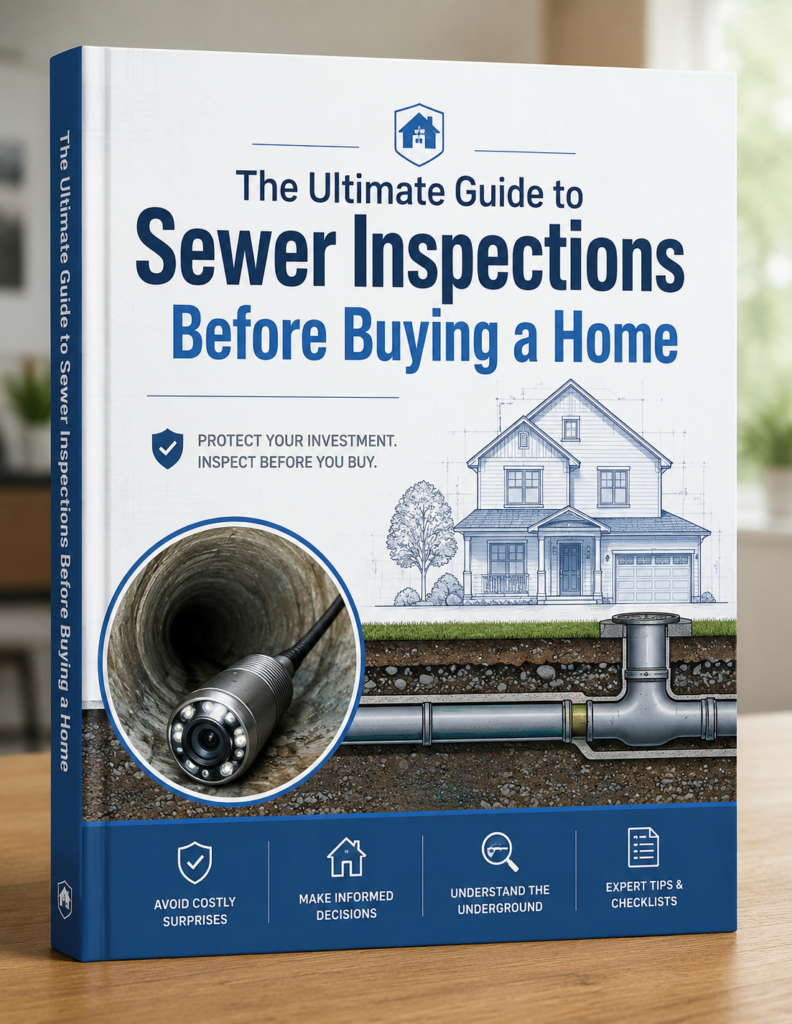
A sewer inspection before buying a home gives buyers video evidence of the underground sewer line before closing. It can reveal roots, sewer bellies, offsets, broken pipe, cast iron deterioration, clay pipe separation, standing water, under-slab sewer problems, previous repairs, and hidden defects that may not be visible during a standard home inspection.
The Sewer Inspection Company provides sewer camera inspections, buyer sewer scopes, under-slab sewer evaluations, cast iron sewer inspections, drain diagnostics, sewer locating, and Master Plumber review throughout Plano, Frisco, Allen, McKinney, Richardson, North Dallas, Carrollton, Addison, Las Colinas, Irving, Coppell, and surrounding Dallas-Fort Worth areas.
The cheapest time to find a sewer line problem is before you buy the home — not after closing, moving in, and discovering sewage backing up into the bathtub.
Buying a Home? Schedule the Sewer Inspection Before Your Option Period Ends
Get video evidence of the underground sewer line before you close, negotiate, accept repairs, or inherit someone else’s sewer problem.
Call Now: 972-333-5448Know What’s Underground, Before You Buy.
Home Buyer’s Guide: What This Page Covers
- Why sewer inspections matter before buying a home
- What a sewer camera inspection can show
- Home inspection vs. sewer inspection
- Sewer inspection videos
- Warning signs buyers should watch for
- Cleanouts and sewer camera access
- Case studies
- Questions to ask before closing
- Buyer checklist
- FAQ section
- Code, city, tool, and sewer inspection references

Why Sewer Inspections Matter Before Buying a Home
A home can look perfect above ground while the sewer line is failing underground. Fresh paint, updated flooring, new countertops, a clean kitchen, nice landscaping, and a successful open house do not prove the sewer line is healthy.
The sewer line is usually buried under the yard, driveway, sidewalk, landscaping, alley, or concrete slab. Most buyers never see it. Sellers may not know the condition. The toilets may flush during the showing. The sinks may drain during the home inspection. But that does not prove the pipe is clear, properly sloped, structurally sound, or free from hidden defects.
A sewer inspection before buying a home can help identify serious issues before they become the buyer’s financial responsibility. The inspection can also give buyers useful information for repair negotiations, seller credits, future budgeting, or deciding whether to move forward with the purchase.
This is especially important in North Texas because many homes have slab foundations, expansive clay soil, mature trees, older cast iron sewer lines, clay pipe, PVC settlement, previous repairs, and long sewer laterals running toward the city tap.
A good buyer sewer inspection is not just about finding a clog. It is about documenting the condition of the underground drainage system before the buyer takes ownership.
What a Sewer Camera Inspection Can Show
A sewer camera inspection uses specialized video equipment to inspect the inside of the sewer line. The camera is usually inserted through an accessible cleanout. When a cleanout is not available, the inspection may require another approved access point, such as a pulled toilet opening or other accessible drain entry.
A buyer sewer scope may reveal:
- Tree roots growing into the sewer line
- Standing water inside the pipe
- Sewer bellies that hold waste and debris
- Offset pipe joints
- Pipe separations
- Broken sewer pipe
- Collapsed sections
- Cast iron corrosion and scaling
- Clay pipe separation
- PVC settlement
- Improper slope
- Foreign objects
- Grease and sludge buildup
- Previous sewer repairs
- Possible city tap issues
- Under-slab sewer defects
The goal is simple: get evidence before making a major buying decision. A sewer inspection is not about scaring the buyer. It is about knowing what is underground.
Helpful Internal Links for Buyers
Learn more about sewer camera inspection near me, sewer line inspection before buying a house, cast iron sewer pipe inspection, sewer line inspection in Frisco TX, and sewer inspection in Plano TX.
Home Inspection vs. Sewer Inspection
A standard home inspection is important. But a general home inspection is not the same as a sewer camera inspection.
A home inspector usually evaluates visible and accessible components. That may include visible plumbing fixtures, visible leaks, water heater condition, water pressure, drain performance at fixtures, and other observable plumbing items. But the underground sewer line is not truly visible without a sewer camera.
| Inspection | What It Usually Checks | What It May Miss |
|---|---|---|
| General Home Inspection | Visible plumbing fixtures, basic drain performance, visible leaks, water heater, accessible plumbing components | Hidden underground sewer defects inside the pipe |
| Sewer Camera Inspection | Inside condition of the underground sewer line using video inspection equipment | May need drain cleaning first if the line is blocked or full of debris |
The best approach is to use both. The home inspection helps evaluate the visible house. The sewer inspection helps evaluate what is buried.
Why “The Toilets Flush” Is Not Enough
A sewer line can still flush during a short showing even if the pipe has a serious defect. Water may pass through a partially damaged line, but that does not mean the sewer system is reliable.
A sewer pipe with roots, standing water, a belly, offset joints, or cast iron scaling may work during a short inspection but fail later after normal family use, laundry loads, multiple showers, guests, or heavy daily drainage.
Buyers should not treat a flushing toilet as proof that the underground line is healthy. If the sewer line has hidden damage, the buyer may inherit the repair after closing.
Sewer Inspection Videos: See What Buyers Can Find Before Closing
These sewer inspection videos show why a sewer camera inspection before buying a home is so important. A home can look clean above ground while the underground sewer line has roots, bellies, offsets, standing water, cast iron deterioration, broken pipe, or other hidden sewer defects.
Watch these examples before you buy, negotiate repairs, approve sewer work, or close on a property.
Need a Sewer Inspection Before Buying a Home?
Call The Sewer Inspection Company today and know what’s underground before you buy.
Call Now: 972-333-5448Sewer Inspection Video 1
Sewer Inspection Video 2
Sewer Inspection Video 3
Sewer Inspection Video 4
Sewer Inspection Video 5
Sewer Inspection Video 6
A sewer inspection video gives buyers evidence. Before you close, ask what the underground sewer line actually looks like.
Warning Signs Buyers Should Watch For
During the option period, buyers and agents should pay close attention to possible sewer warning signs.
- Slow drains in more than one area of the home
- Toilets that gurgle or bubble
- Water backing up into a tub or shower
- Sewer odor inside or outside the home
- Exterior cleanout overflow stains
- Soft soil near the sewer path
- Mature trees near the front or back sewer route
- Recent foundation work
- Older home with possible cast iron drain piping
- Seller disclosure mentioning drain cleaning or sewer repair
- Patchy grass or sunken areas in the yard
- Previous plumbing repairs visible near cleanouts
- No visible cleanout
Any of these signs should push the sewer inspection higher on your due-diligence list.
Buyer Warning
If the seller says the drain was “recently cleaned,” ask why. A recently cleaned line may be fine, or it may be a clue that the sewer line keeps backing up.
Call The Sewer Inspection Company before your option period ends: 972-333-5448

Cleanouts and Sewer Camera Access
The best access point for a sewer camera inspection is usually an exterior cleanout. A cleanout allows the technician to insert the camera into the sewer line without removing a toilet.
Common access points include:
- Two-way exterior cleanout
- Single-direction cleanout
- Yard cleanout
- Wall cleanout
- Accessible drain opening
- Roof vent when safe and appropriate
- Pulled toilet opening when no cleanout is available
A missing cleanout does not automatically mean the sewer line cannot be inspected. But it may increase time, cost, or access complexity. It also tells the buyer something important: future drain cleaning and emergency access may be harder.
Older Homes and Cast Iron Sewer Lines
If the home was built before the 1990s, buyers should pay special attention to cast iron drain piping. Not every older cast iron system has failed, but age increases risk.
Cast iron pipe can corrode from the inside. The pipe may develop rough walls, scaling, bottom-channel deterioration, cracks, separations, and standing water. A cast iron sewer line may still drain while the inside of the pipe is already weak.
If you are buying an older home in Plano, Dallas, Richardson, Garland, Carrollton, Irving, Las Colinas, McKinney, Allen, or North Dallas, a sewer camera inspection should be treated as serious buyer protection.
Cast Iron Buyer Resource
If the home may have older cast iron sewer pipe, review our guide on cast iron sewer pipe inspection before closing.
Foundation Work and Sewer Inspections
Foundation movement and sewer line problems often show up together. North Texas has expansive clay soil. Soil movement can affect foundations, and it can also stress underground plumbing.
If the home has had foundation work, buyers should ask whether the sewer lines were tested or inspected after the repair. Lifting, shifting, or stabilizing a foundation can reveal or worsen existing plumbing weaknesses.
A sewer camera inspection can help identify offsets, separations, bellies, standing water, and breaks that may be related to soil movement or foundation history.
Mature Trees Near the Sewer Path
Mature trees are beautiful, but they can create sewer risk. Tree roots look for moisture. If an older sewer line has cracks, loose joints, clay pipe separation, offset sections, or failing transitions, roots can enter the pipe.
Once roots enter the sewer line, they catch paper, grease, wipes, and debris. Drain cleaning may cut roots temporarily, but roots can grow back if the pipe defect remains.
If a property has large trees near the front yard, back yard, alley, or sewer path, order the sewer inspection before closing.
What Happens During a Buyer Sewer Inspection?
A buyer sewer inspection should be organized, documented, and explained in plain English.
Step 1: Confirm the inspection goal
The goal is to inspect the accessible sewer line before closing, identify visible defects, document the condition, and help the buyer make an informed decision.
Step 2: Locate the access point
The technician looks for a cleanout or other usable access point. If no access is available, the buyer may need to discuss options such as pulling a toilet or rescheduling with proper authorization.
Step 3: Camera the line
The sewer camera is pushed through the accessible line while the technician watches for roots, bellies, standing water, offsets, breaks, separations, pipe material changes, and prior repairs.
Step 4: Record the findings
The inspection should provide video documentation so the buyer, agent, seller, inspector, and repair contractor can understand what was found.
Step 5: Explain the buyer risk
The report should explain whether the line appears serviceable, needs maintenance, needs cleaning, needs repair, needs further testing, or presents a serious buying risk.
Reviewing the evidence from your inspection
Base your questions on the findings and coverage documented for the property you are buying. Ask the inspector to explain unclear observations and any recommended follow-up.
Use our report review guide to organize questions about the video, limitations, and repair estimates.
Questions Buyers Should Ask Before Closing
A buyer should not just ask, “Did the sewer inspection pass?” Sewer inspections are about findings, risk, and next steps.
Ask these questions:
- Was the sewer line inspected from a cleanout?
- Was the line inspected toward the city tap?
- Was the under-slab section inspected?
- What pipe material was visible?
- Were roots present?
- Was standing water present?
- Were any bellies, offsets, cracks, or separations found?
- Was cast iron pipe visible?
- Were previous repairs visible?
- Could the camera reach the full line?
- Was the defect located?
- Does the line need cleaning, repair, replacement, or further testing?
- Should the buyer request a repair, credit, price reduction, or additional evaluation?
How a Sewer Inspection Can Help Negotiations
A sewer camera inspection can give buyers evidence during the option period. If a defect is found, the buyer may be able to use the inspection video and report to negotiate.
Depending on the transaction and the severity of the issue, a buyer may request:
- Seller repair before closing
- Licensed plumber evaluation
- Seller credit
- Purchase price reduction
- Additional testing
- Cleanout installation
- Drain cleaning and reinspection
- Sewer repair estimate
- Cancellation during the option period if the risk is too high
The strongest negotiation position is based on video evidence, not vague fear.
What If the Sewer Line Has a Problem?
A sewer problem does not automatically mean you should walk away. It means you need to understand the seriousness, cost, access, and repair options.
Possible next steps may include:
- No repair needed, monitor only
- Drain cleaning
- Hydro jetting when pipe condition allows
- Pipe descaling when appropriate
- Spot repair
- Partial replacement
- Cleanout installation
- Under-slab sewer evaluation
- Reroute evaluation
- Trenchless repair evaluation
- Full sewer line replacement
The right answer depends on the evidence. The wrong answer is guessing.
Do Not Close Blind
If you are buying a home in Plano, Frisco, Allen, McKinney, Richardson, North Dallas, Las Colinas, Irving, Carrollton, Addison, or Coppell, schedule the sewer camera inspection before closing.
Call Now: 972-333-5448Know What’s Underground, Before You Buy.
Buyer Checklist: Sewer Inspection Before Buying a Home
- Order the sewer inspection early in the option period.
- Ask the seller where the cleanouts are located.
- Ask whether the home has had foundation work.
- Ask whether the home has had sewer repair or drain cleaning.
- Ask whether cast iron, clay, PVC, or mixed pipe materials are present.
- Check for mature trees near the sewer path.
- Review the sewer camera video.
- Ask for a plain-English summary of findings.
- Request locating if a serious defect is found.
- Get repair pricing before the option period ends.
- Use findings to negotiate when appropriate.
- Do not approve major sewer work without evidence.
Buyer and agent resources
- Inspection pricing and what is included
- Scheduling checklist for real estate agents
- Contact The Sewer Inspection Company
Final Answer: Yes, Buyers Should Get a Sewer Inspection Before Buying a Home
A sewer inspection before buying a home is one of the smartest due-diligence steps a buyer can take. The underground sewer line can be expensive to repair, difficult to access, and impossible to fully judge from a normal showing or basic fixture test.
The inspection can reveal roots, standing water, bellies, offsets, broken pipe, cast iron deterioration, clay pipe separation, previous repairs, under-slab damage, and other hidden sewer defects before the buyer closes.
If you are buying a home, do not close blind. Schedule the sewer camera inspection before the option period ends.
Call The Sewer Inspection Company today at 972-333-5448.
FAQ: Sewer Inspections Before Buying a Home
Should I get a sewer inspection before buying a home?
Yes. A sewer inspection before buying a home can reveal hidden underground problems before closing, including roots, bellies, offsets, broken pipe, cast iron deterioration, clay pipe separation, standing water, previous repairs, and under-slab sewer defects.
Is a sewer scope included in a normal home inspection?
Usually no. A standard home inspection generally focuses on visible and accessible components. A sewer scope is a separate video inspection of the underground sewer lateral.
What does a buyer sewer inspection find?
A buyer sewer inspection may find roots, standing water, sewer bellies, offsets, pipe separations, cracked pipe, broken sections, collapsed pipe, cast iron deterioration, clay pipe separation, PVC settlement, grease buildup, and previous repairs.
What if the house has no cleanout?
The inspection may still be possible through another approved access point, such as a pulled toilet opening. However, no visible cleanout may increase the difficulty of inspection, drain cleaning, and future emergency access.
Can sewer inspection findings help with negotiation?
Yes. Video evidence from a sewer inspection may help buyers request repairs, ask for a seller credit, negotiate the purchase price, request additional evaluation, or decide whether to move forward before the option period ends.
How long does a sewer inspection take?
Most sewer inspections take about 30 to 90 minutes depending on cleanout access, line length, pipe condition, blockage, site conditions, and whether locating is needed.
Who should I call for a sewer inspection before buying a home?
Call The Sewer Inspection Company at 972-333-5448 for buyer sewer scopes, sewer camera inspections, under-slab sewer evaluations, cast iron sewer inspections, drain diagnostics, and video reports.
10 IPC and UPC Plumbing Code Reference Links
These resources support the sanitary drainage, building sewer, cleanout, venting, trap, testing, and plumbing system topics discussed in this buyer guide. Always verify the code edition adopted by the local city before beginning plumbing work.
| # | Code Source | Why It Matters | Link |
|---|---|---|---|
| 1 | 2024 IPC — Full Code | General International Plumbing Code reference. | 2024 IPC |
| 2 | 2024 IPC — Chapter 3 General Regulations | Testing, inspection, protection, and general plumbing requirements. | IPC Chapter 3 |
| 3 | 2024 IPC — Chapter 4 Fixtures | Fixture, toilet, tub, shower, sink, and plumbing fixture context. | IPC Chapter 4 |
| 4 | 2024 IPC — Chapter 6 Water Supply | Water system context related to plumbing performance and testing. | IPC Chapter 6 |
| 5 | 2024 IPC — Chapter 7 Sanitary Drainage | Primary sanitary drainage, building sewer, cleanout, and sewer system reference. | IPC Chapter 7 |
| 6 | 2024 IPC — Chapter 8 Indirect and Special Wastes | Special waste and indirect drainage context. | IPC Chapter 8 |
| 7 | 2024 IPC — Chapter 9 Vents | Vent system context related to drainage performance and trap protection. | IPC Chapter 9 |
| 8 | 2024 IPC — Chapter 10 Traps, Interceptors and Separators | Trap, grease, sewer gas, interceptor, and separator context. | IPC Chapter 10 |
| 9 | 2024 IPC — Chapter 11 Storm Drainage | Exterior drainage context where water issues may be confused with sewer issues. | IPC Chapter 11 |
| 10 | 2024 Uniform Plumbing Code | UPC reference for sanitary drainage, cleanouts, vents, fixtures, and plumbing system standards. | 2024 UPC |
3 Local City References
These city references support adopted-code, permit, and inspection awareness for sewer inspection and sewer repair decisions in North Dallas and surrounding areas.
- City of Plano — Code Information: https://www.plano.gov/610/Code-Information
- City of Frisco — Adopted Codes: https://www.friscotexas.gov/397/Adopted-Codes
- City of Dallas — Plumbing and Mechanical Inspections: https://dallascityhall.com/departments/sustainabledevelopment/buildinginspection/Pages/plumbing_mechanical.aspx
3 Sewer Inspection Tool and Equipment References
These equipment references support the sewer camera inspection, locating, and line tracing discussed in this guide.
- RIDGID SeeSnake Sewer Cameras and Reels: https://www.ridgid.com/us/en/reels-and-cameras
- RIDGID SeekTech SR-20 Locator: https://www.ridgid.com/us/en/seektech-sr20-locator
- RIDGID SeekTech ST-305 Line Transmitter: https://www.ridgid.com/us/en/seektech-st305-line-transmitter
Additional Buyer, Sewer Inspection, Licensing, and Structured Data References
- TREC — Real Estate Inspector Standards of Practice
- InterNACHI — Sewer Scope Inspection Information
- InterNACHI — Sewer Scope Standard of Practice
- EPA — Sanitary Sewer Overflows
- EPA — Sanitary Sewer Overflow FAQs
- NASSCO — PACP/LACP/MACP Pipeline Assessment Training
- Texas State Board of Plumbing Examiners — Responsible Master Plumber
- Texas State Board of Plumbing Examiners — Master Plumber
- Schema.org — Plumber Structured Data
- Google Search Central — Local Business Structured Data