

Sewer Inspection Report in Irving TX – 4762 Byron Circle Sewer Line Belly Findings
Prepared by The Sewer Inspection Company
Property Information
Property Address:
4762 Byron Circle
Irving, Texas
Inspection Type:
Residential sewer lateral video inspection
Prepared By:
The Sewer Inspection Company
Inspector:
Steven Shipler
Texas Licensed Master Plumber / Responsible Master Plumber
NASSCO Certified / NAWT Certified
Phone:
972-333-5448
Website:
www.TheSewerInspectionCompany.com
Property Photo
The following photo documents the property inspected at 4762 Byron Circle in Irving, Texas.
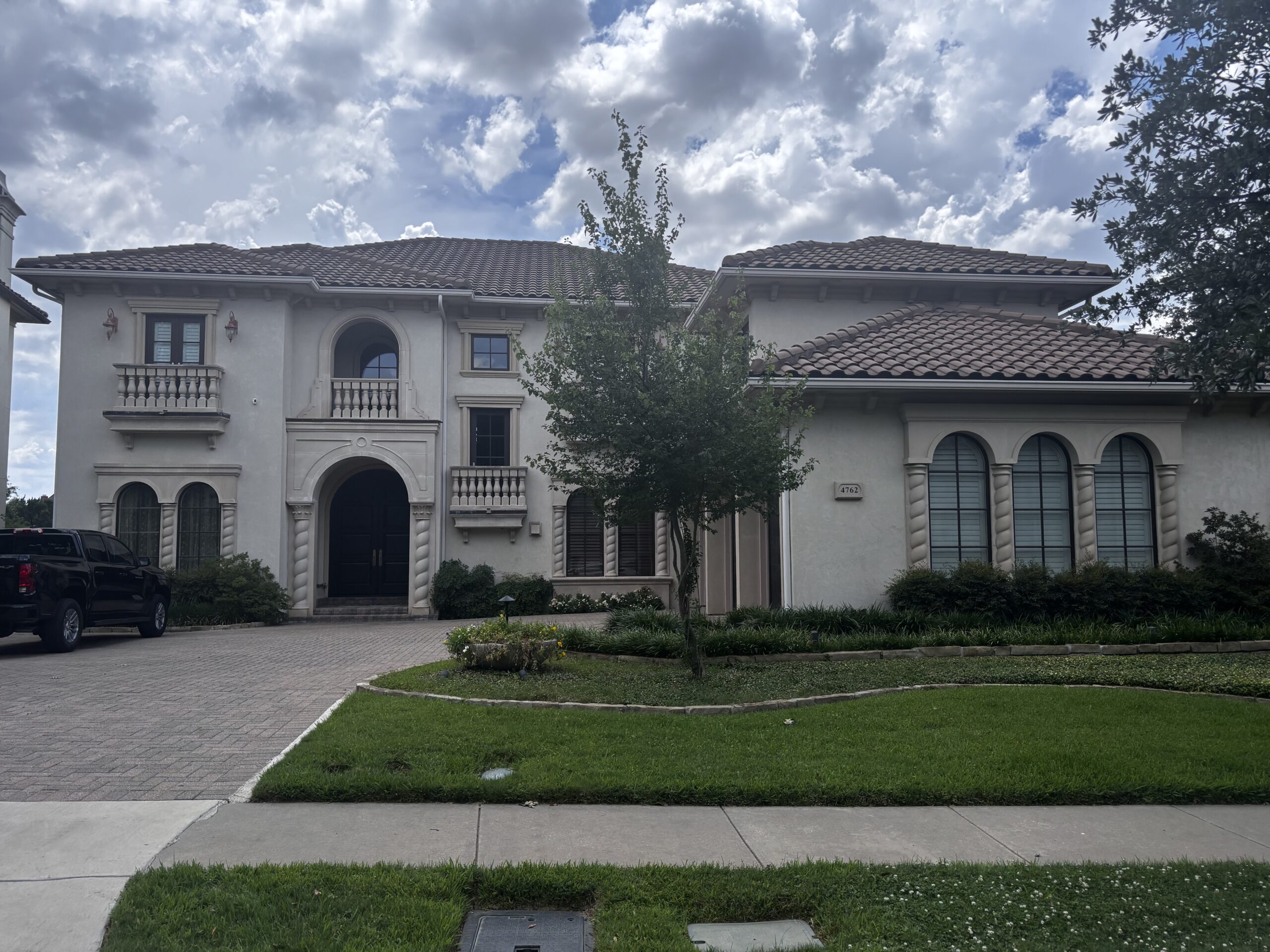
Front exterior view of the inspected property at 4762 Byron Circle in Irving, Texas.
Sewer Inspection Video Links
Please review the sewer inspection videos below. These videos show the actual interior condition of the sewer lateral at the time of inspection.
Click the play button on each video thumbnail to review the findings described in this report.
Video #1 — Sewer Lateral Inspection Toward / Under Property
Click the video thumbnail below to play the sewer inspection video.
Video #2 — Sewer Lateral Inspection Toward City Tap
Click the video thumbnail below to play the second sewer inspection video.
Exterior Sewer Line Location Photos
The following photos document the exterior access areas and approximate sewer line / repair locations observed during the inspection.
Photo #1 — Approximate Exterior Sewer Line Area
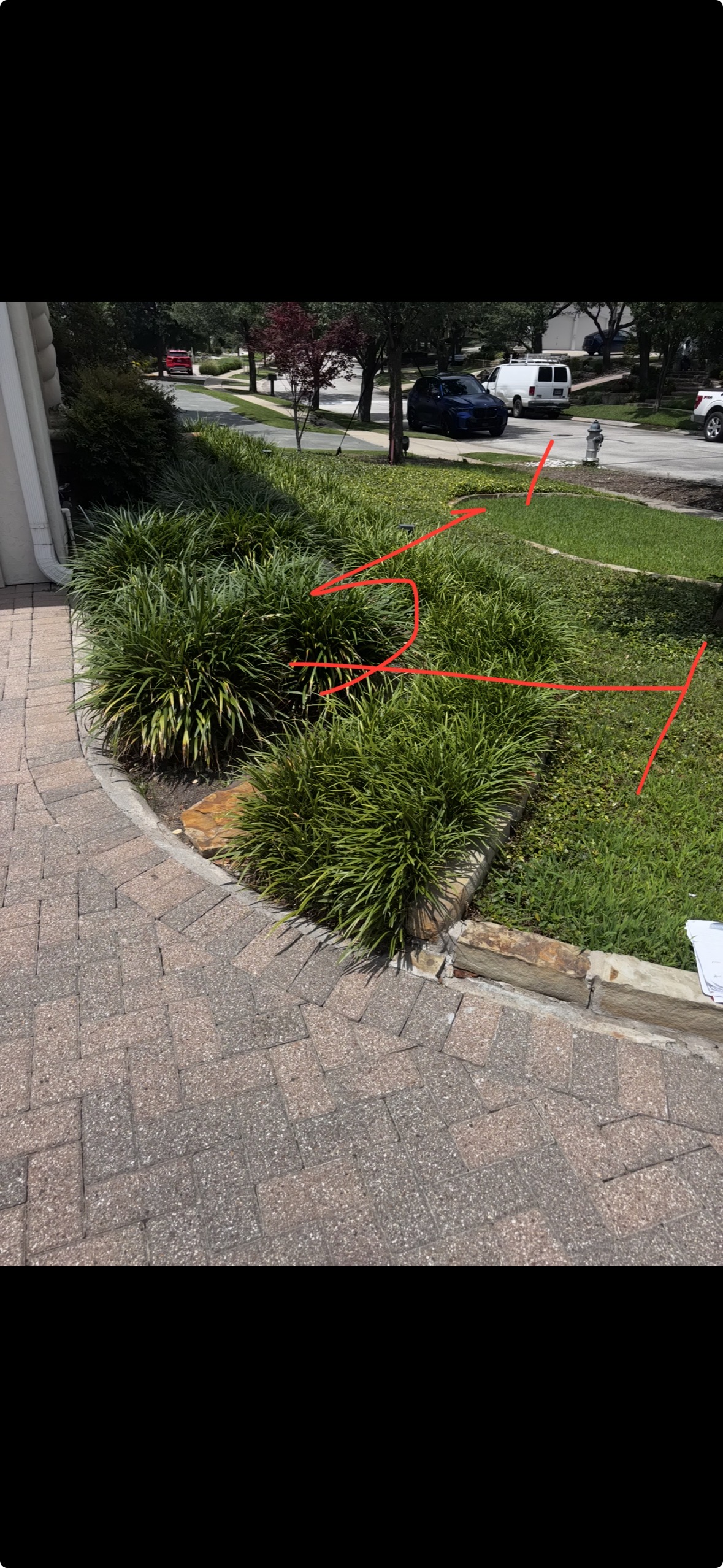
Exterior photo showing the approximate sewer line / repair area near the front landscape and driveway.
Photo #2 — Approximate Area Near Driveway / Cleanout Direction
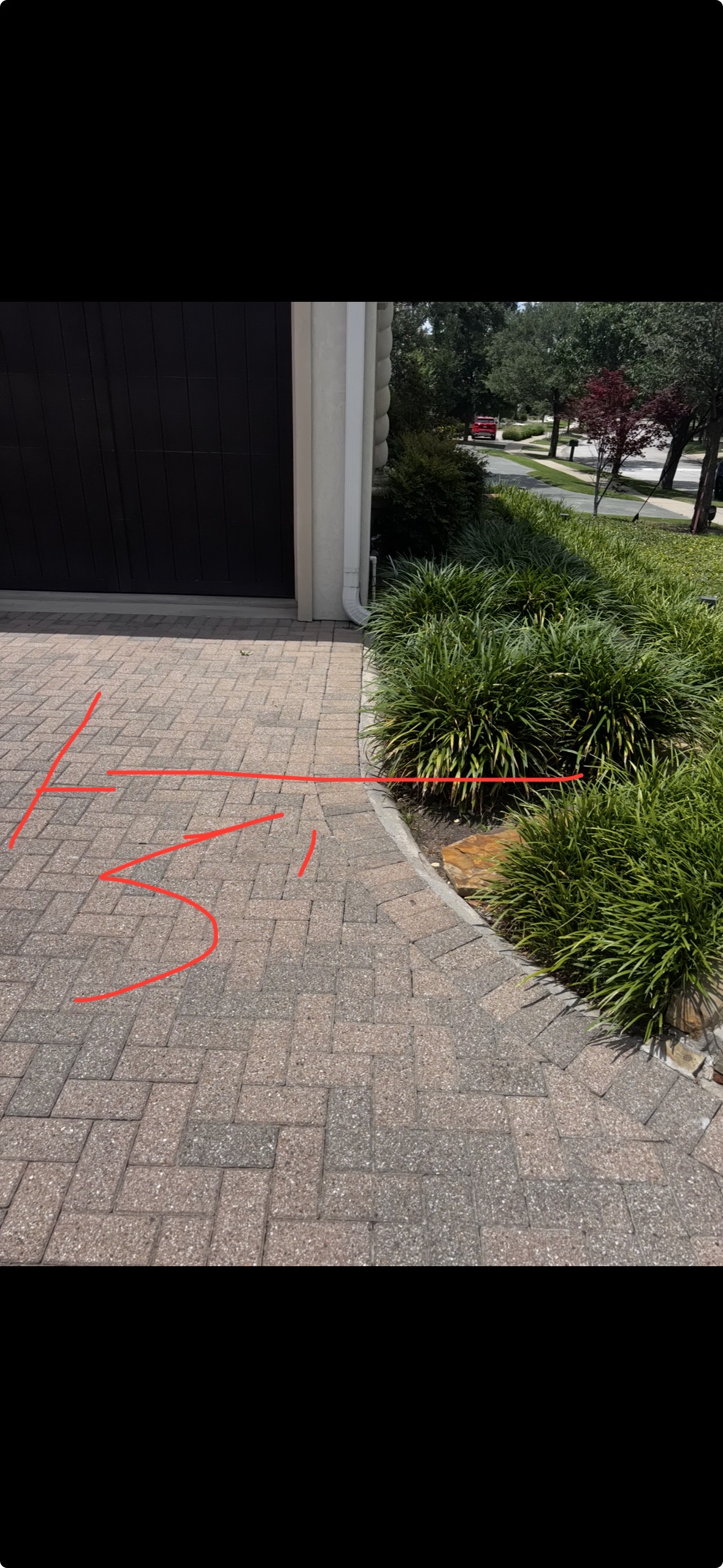
Exterior photo showing the approximate cleanout direction and sewer line path near the driveway and landscape area.
Inspection Area
This inspection covered the main sewer lateral system from the exterior cleanout locations, including both directions of the lateral sewer line.
- Exterior cleanout furthest from the house, sweeping back toward the property and under the house / driveway area.
- Exterior cleanout closest to the house / garage, running outward toward the city tap.
Purpose of Inspection
The purpose of this inspection was to video inspect and document the visible condition of the main sewer lateral serving the property at 4762 Byron Circle in Irving, Texas.
The inspection was performed from the accessible exterior cleanout locations. The intent of the inspection was to identify visible defects, flow restrictions, standing water, sewer bellies, offsets, pipe separations, root intrusion, blockages, or other conditions that may affect the proper drainage and long-term serviceability of the sewer system.
This report is based on the visible video inspection findings at the time of inspection. Underground sewer conditions can vary depending on water usage, recent flushing, soil movement, previous repairs, pipe material, and access limitations.
Inspection Summary
The sewer lateral system at this property shows multiple areas of significant standing water and improper slope. Several bellies were observed in the sewer line, including one short belly near the base of the cleanout, one severe belly between approximately 18 feet and 31 feet, and one very long and significant belly between approximately 38 feet and 61 feet under the property.
The line running toward the city tap also contains standing water immediately at the base of the cleanout and continuing to approximately 6 feet 6 inches. The city tap was located at approximately 27 feet 6 inches.
Overall, the primary concern is that the sewer line is not maintaining consistent positive drainage. Several sections appear to be holding wastewater due to sagging, settlement, or improper slope. These defects can lead to recurring stoppages, solids buildup, slow drainage, sewer odors, and potential future sewer backups.
Key Takeaways
- The sewer lateral running under the property contains multiple bellies.
- The first belly begins at the base of the outer cleanout and extends approximately 5.5 feet toward the property.
- A severe belly was observed from approximately 18 feet to 31 feet.
- The connection area near approximately 31 feet should be physically examined during repair work because the top of the connection was difficult to fully verify by camera.
- A very long and significant belly was observed from approximately 38 feet to 61 feet under the property.
- The 38-foot to 61-foot belly appears to have a substantial sag, estimated visually at approximately 5 to 6 inches based on the duration and depth of standing water observed.
- The sewer lateral running toward the city tap also contains a belly from the cleanout base to approximately 6 feet 6 inches.
- The city tap was observed at approximately 27 feet 6 inches.
- The observed defects should be corrected to restore proper grade and improve the serviceability of the sewer system.
Sewer Access Point #1
Access Location
Exterior cleanout furthest from the house.
Direction of Inspection
From the outer cleanout sweeping back toward the property and under the house / driveway area.
Finding #1 — Standing Water / Belly at Sweep Toward Property
Approximate Location:
From the base of the cleanout to approximately 5.5 feet toward the property.
Observed Condition:
Upon entering the exterior cleanout furthest from the house, the camera entered the sweep toward the property. Standing water was observed immediately at the base of the sweep. The camera remained in water from the cleanout base to approximately 5.5 feet.
This indicates a belly or sag in the line immediately downstream of the cleanout sweep. The defect appears to extend approximately 5.5 feet from the cleanout toward the property and appears to be located slightly under or near the brick driveway area.
Professional Assessment:
This section is not draining properly. Wastewater is collecting in the line instead of flowing completely away. While short sections of water may sometimes be seen near fittings or cleanout bases, the length and continued standing water indicate a grade issue that should be corrected during repair work.
Recommendation:
This area should be repaired to restore proper slope and flow. The pipe should be reset or replaced at proper grade so water does not continue to sit in this section.
Finding #2 — Severe Sewer Belly
Approximate Location:
From approximately 18 feet to approximately 31 feet from the access point.
Observed Condition:
A significant belly was observed beginning at approximately 18 feet and continuing to approximately 31 feet. The camera remained in standing water through this section, indicating that the pipe has settled or lost proper slope.
At approximately 31 feet, a connection or transition area was observed. The top of the connection was difficult to clearly evaluate by camera. This area should be exposed and examined during the repair process to confirm the exact condition of the fitting, connection, slope, and pipe alignment.
Professional Assessment:
This is a significant defect. A belly of this length can hold wastewater and solids, allowing debris to settle in the pipe instead of flowing out to the city sewer. Over time, this can contribute to recurring stoppages, odors, slow drainage, and possible backups.
Recommendation:
This section should be excavated and repaired. The pipe should be reset or replaced with proper slope. The connection at approximately 31 feet should be inspected closely during the repair to verify whether it is properly aligned, structurally sound, and correctly graded.
Finding #3 — Long Significant Sewer Belly Under Property
Approximate Location:
From approximately 38 feet to approximately 61 feet from the access point.
Observed Condition:
A long and highly significant belly was observed beginning at approximately 38 feet and continuing to approximately 61 feet. The camera remained underwater for an extended distance, indicating a long sag in the sewer line.
Based on the amount of time the camera remained underwater and the apparent depth of the water in the pipe, this belly appears to have a substantial sag. The visual estimate is that this section may have approximately 5 to 6 inches of sag in the run.
Professional Assessment:
This is the most significant issue observed in the inspection of the lateral line running under the property. A belly of this length and apparent depth indicates that the pipe is not maintaining proper grade. This condition is likely to continue holding wastewater and solids.
This type of defect is not typically corrected by drain cleaning, snaking, or hydro jetting. Cleaning may temporarily remove soft buildup, but it does not restore proper slope or correct the sag in the pipe.
Recommendation:
This section should be repaired by exposing the defective section and replacing or regrading the affected pipe. Proper bedding, support, slope, and compaction should be used during repair to reduce the risk of future settlement.
Sewer Access Point #2
Access Location
Exterior cleanout closest to the house / garage.
Direction of Inspection
From the cleanout running outward toward the city tap.
Finding #4 — Standing Water / Belly Near Cleanout Base Toward City Tap
Approximate Location:
From the base of the cleanout to approximately 6 feet 6 inches.
Observed Condition:
Upon entering the cleanout closest to the house / garage and running outward toward the city tap, standing water was observed at the base of the cleanout. Some water at a cleanout base can be common; however, the water continued to approximately 6 feet 6 inches.
The pipe appeared to be approximately half full to three-quarters full of standing water through this section.
Professional Assessment:
This indicates another belly or grade issue in the lateral line running toward the city tap. Because this section is holding a substantial amount of water, the line is not draining completely. This area should be repaired to restore proper flow.
Recommendation:
The defective section from the cleanout base to approximately 6 feet 6 inches should be corrected. The pipe should be reset or replaced at proper grade to allow wastewater and solids to flow freely toward the city sewer.
Finding #5 — City Tap Located
Approximate Location:
27 feet 6 inches from the cleanout access point.
Observed Condition:
The city tap was located at approximately 27 feet 6 inches. No additional defects were noted beyond the identified belly section in the notes provided for this direction of inspection.
Professional Assessment:
The major concern in this direction is the standing water / belly near the cleanout base. The city tap location should be used as a reference point for repair planning and utility locating.
Defects and Concerns Observed
- Multiple sewer bellies.
- Standing water inside the pipe.
- Improper slope / loss of positive drainage.
- Significant sag in the pipe under the property.
- Extended areas where wastewater is being held inside the line.
- Potential concern at the connection near approximately 31 feet, requiring physical verification during repair.
Professional Opinion
In my professional opinion, the sewer lateral at this property has multiple sections that are not properly graded and are holding water. The most significant defects are the severe belly from approximately 18 feet to 31 feet and the long belly from approximately 38 feet to 61 feet under the property.
The long belly from 38 feet to 61 feet is especially concerning because the camera remained underwater for an extended distance. This suggests a substantial sag in the pipe and a meaningful loss of proper drainage slope.
The line running toward the city tap also contains a belly from the cleanout base to approximately 6 feet 6 inches. This section should also be repaired because it is holding water and may collect solids over time.
These conditions can cause ongoing sewer performance issues. While the line may still allow some flow, it is not functioning as it should. A properly installed sewer lateral should maintain consistent fall so wastewater and solids continue moving toward the city sewer.
Recommended Repair Plan
- Repair the belly from the base of the outer cleanout to approximately 5.5 feet toward the property.
- Repair the severe belly from approximately 18 feet to 31 feet.
- Physically inspect the connection area at approximately 31 feet during the repair process.
- Repair the long significant belly from approximately 38 feet to 61 feet.
- Repair the belly from the base of the cleanout closest to the house / garage to approximately 6 feet 6 inches toward the city tap.
- Confirm proper slope and flow after repair by performing a follow-up sewer camera inspection.
- Confirm all repair areas are properly bedded, supported, compacted, and installed to maintain proper grade.
Why This Matters
Sewer bellies are more than just low spots in the pipe. A belly causes water to sit in the line. When water sits, solids can also sit. Over time, toilet paper, grease, waste, debris, and sludge can collect in the low section.
This can lead to:
- Recurring sewer stoppages.
- Slow drains.
- Toilet flushing problems.
- Sewer odors.
- Main line backups.
- Increased maintenance costs.
- Progressive settlement if the pipe is not properly supported.
- Future repair work if the issue is not corrected.
Because this property has multiple bellies, including one long and significant belly under the property, repair is recommended rather than routine maintenance alone.
Definitions
Sewer Belly
A sewer belly is a low spot or sag in the pipe where wastewater sits instead of draining completely. Bellies are usually caused by settlement, improper bedding, poor installation, soil movement, or lack of pipe support.
Standing Water
Standing water means water is remaining inside the sewer pipe after flow should have moved downstream. Small amounts of water can sometimes appear near fittings, but long sections of standing water usually indicate improper slope or a belly.
Improper Slope
A sewer line must be installed with consistent fall so wastewater flows by gravity. If the pipe is flat, back-pitched, or sagging, water and solids can remain in the line.
City Tap
The city tap is the point where the private sewer lateral connects to the public city sewer main. In this inspection, the city tap was located at approximately 27 feet 6 inches from the cleanout closest to the house / garage.
Cleanout
A cleanout is an access point that allows a sewer camera, drain cable, or hydro jetter to enter the sewer line for inspection or service.
Offset
An offset occurs when two pipe sections do not line up correctly. Offsets can catch debris, restrict flow, and create future blockage points.
Pipe Separation
A pipe separation is a gap or opening between pipe sections. This can allow soil, roots, or water to enter the pipe and can weaken the sewer system.
Root Intrusion
Root intrusion occurs when tree or shrub roots enter the sewer line through cracks, joints, separations, or damaged areas. Roots can cause blockages and structural damage.
Limitations of Inspection
This report is based on the visible condition of the sewer line at the time of inspection. The inspection was performed from accessible exterior cleanout locations only.
The camera inspection does not guarantee the condition of areas that could not be fully viewed due to standing water, debris, pipe configuration, camera angle, lighting, or access limitations.
Depth, exact pipe location, and repair layout should be confirmed with proper locating equipment and physical verification before excavation or repair work begins.
The top of the connection near approximately 31 feet was difficult to clearly evaluate by camera. That area should be examined once exposed during repair.
Final Recommendation
The sewer lateral at 4762 Byron Circle in Irving, Texas contains multiple defective sections that are holding water due to bellies / improper slope.
Repair is recommended for the following areas:
- Base of outer cleanout to approximately 5.5 feet toward the property.
- Approximately 18 feet to 31 feet toward / under the property.
- Approximately 38 feet to 61 feet under the property.
- Base of cleanout closest to the house / garage to approximately 6 feet 6 inches toward the city tap.
The most significant concern is the long belly from approximately 38 feet to 61 feet, which appears to have a substantial sag and remains underwater for an extended distance.
A repair contractor should expose the defective sections, verify the exact condition of the pipe and connection points, replace or regrade the defective pipe, and perform a final camera inspection to confirm proper slope and flow.
Prepared By
The Sewer Inspection Company
Steven Shipler
Texas Licensed Master Plumber / RMP
NASSCO Certified / NAWT Certified
Phone:
972-333-5448
Website:
www.TheSewerInspectionCompany.com
End of Report