
Two Sewer Cleanouts: Which Direction Should the Camera Travel?
Two sewer cleanouts do not automatically mean the whole sewer was inspected. Direction, access design, and documented footage determine the actual coverage.
Two sewer cleanouts do not automatically mean the whole sewer was inspected. Direction, access design, and documented footage determine the actual coverage.
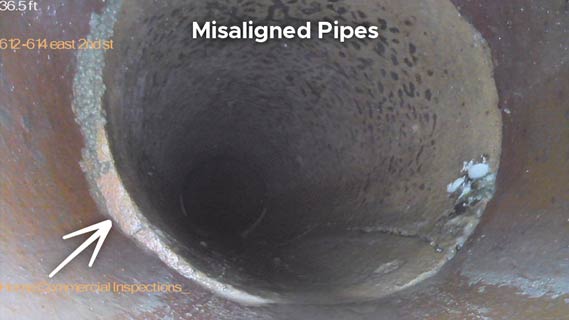
A sharp bend can stop a sewer camera without proving the pipe is damaged. Learn what the footage, distance counter, locate, and report can establish.
Mud or soil visible inside a sewer line can be important evidence, but the image must be interpreted carefully. Learn what to document and what not to assume.
Before adding bathrooms, opening slabs, or planning a major renovation, a sewer scope can establish a documented baseline and reveal access or condition questions.
A sewer camera sees the inside of an accessible pipe, not the surrounding soil. Learn what visual clues can support a leak investigation—and what they cannot prove.
A cleared drain restores flow, but it may not explain why the stoppage happened. Learn when a documented sewer camera inspection can help identify the remaining question.
A sewer reinspection after foundation or pipe work can document accessible conditions after changes. Learn when to schedule it and what to compare.
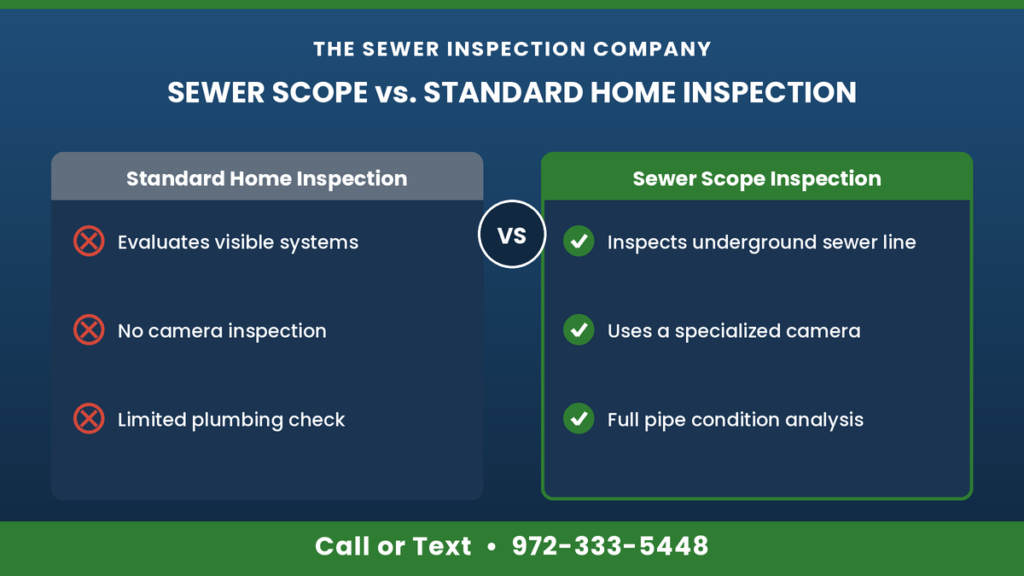
An under-slab and exterior sewer inspection in DFW documents accessible interior drains and the yard lateral so important sections are not overlooked.
Sewer locate and depth in DFW adds useful context to a camera inspection. Learn how marked positions and estimated depths support informed planning.
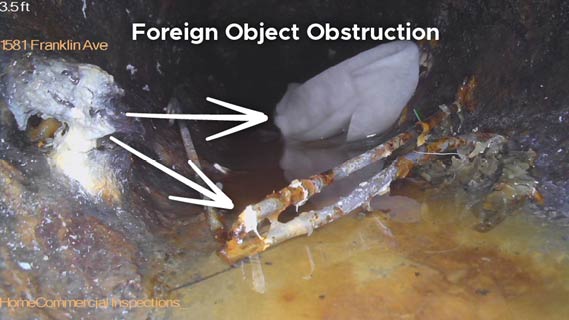
A blocked sewer camera inspection in DFW can reveal a real access or line problem. Learn what the stop means and what documentation should follow.